Feb 15 2010

Turkification of the Toponyms in the Ottoman Empire and the Republic of Turkey [*]

Download the Word file – Read in Armenian and Russian
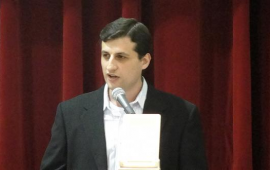
Lusine Sahakyan, PH.D., Yerevan State University

ABSTRACT

Toponyms represent persistent linguistic facts, which have major historical and political significance. The rulers of the Ottoman Empire and the Republic of Turkey realized the strategic importance of the toponyms and carried out consistent policies towards their distortion and appropriation. Aiming to assimilate the toponyms of the newly conquered territories, the Ottoman authorities translated them into Turkish from their original languages or transformed the local dialectal place-names by the principle of contamination to make them sound like Turkish word-forms. Other methods of appropriation included the etymological misinterpretation and renaming and displacing the former toponyms altogether. The focus of the present article is the place-name transformation policies of the Ottoman Empire and its successor, the Republic of Turkey. The decree by the Minister of War Enver Pasha issued on January 5, 1916 with the orders to totally change the “non-Muslim” place-names is for the first time presented in English, Armenian and Russian translations. The article also deals with the artificially created term of “Eastern Anatolia” as a substitute for Western Armenia, the political objectives of the pro-Turkish circles as well as the consequences of putting the mentioned ersatz term into circulation.

Continue Reading »

3 responses so far

Jan 27 2010

Armenian Genocide denier receives warm welcome in Yerevan

Source: USA Armenian Life Magazine, weekly issue #1188, January 1-7, 2010, p. 7

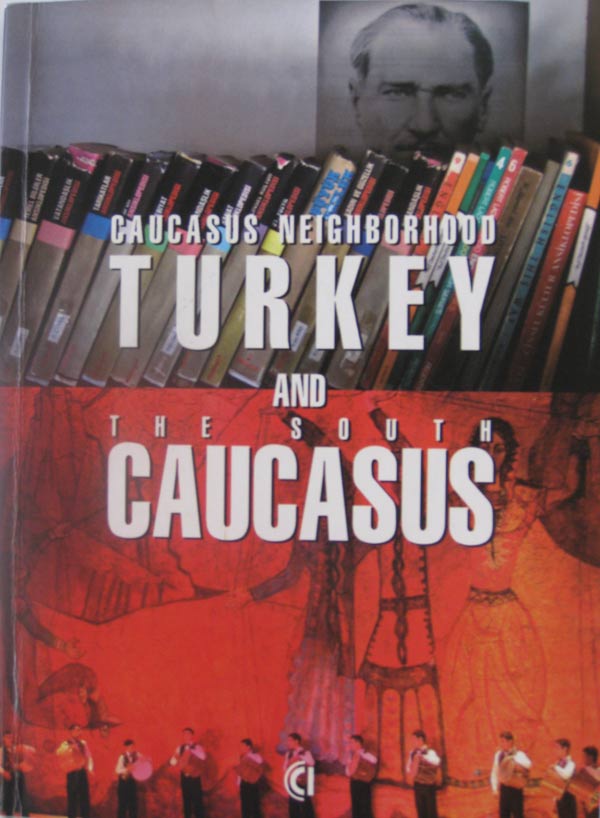
In 2008, the Caucasus Institute foundation published a book in Yerevan entitled “Caucasus Neighborhood: Turkey and The South Caucasus.” The chief editor of the said book is Aleksandr Iskandaryan – the director of the Caucasus Institute. The volume consists of analytical papers that were presented during a conference which took place in Istanbul, Turkey, from August 1 to August 4 of 2008. The conference was organized by the Caucasus Institute.

Continue Reading »

No responses yet

Dec 29 2009

Evaluating L. A. Armenian Consul General’s Assertions on Armenian-Turkish Protocols

Republished in the USA Armenian Life Magazine weekly, #1188 January 9, 2009
Stepan Sargsyan
“ARARAT” Center for Strategic Research

For the first time during these latest negotiations surrounding the Armenian-Turkish conflict an Armenian official engaged in a public debate to defend the Protocols and fielded unscripted questions directly from the audience in Los Angeles. The U.S.-based Diaspora organization called ARPA Institute had organized a debate between the Honorable Consul General of the Republic of Armenia to Los Angeles Grigor Hovhannissian and two Diaspora academics. Dr. Richard Hovannisian moderated the debate. The Consul General deserves a lot of praise for agreeing to discuss the Armenian-Turkish conflict and the recently signed Protocols in such a public forum, despite the persistent efforts by his superiors in Armenia, namely President Serzh Sargsyan and Foreign Minister Edward Nalbandyan, to avoid having any meaningful public discussion with the Armenian people regarding this issue. It must be noted that a lot of heartache and mistrust could have been avoided had these discussions been held prior to agreeing to the Roadmap and drafting the Protocols.
Continue Reading »

3 responses so far

Dec 21 2009

ARARAT Center: 2009 Activities Summary and Donation Call


December 21, 2009

Dear Friend,
As 2009 draws to its close, we would like to share with you the achievements and successes of the “ARARAT” Center for Strategic Research (“ARARAT”) in this passing year and thank you for your continued support of our activities.
Ever since its establishment in 2006, “ARARAT” has become a leading Armenian think-tank on strategy and security. Complement the word “leading” with the words “independent” and “national” and you will attest to a phenomenon so singular (yet vitally important) in the nascent Armenian strategic-political thought: a leading independent think-tank, which defines, analyzes and advocates the needs and demands of Armenia’s national security from an exclusively Armenian perspective – YOUR perspective.
In such a short span of its existence, “ARARAT” can lay claim to these distinctive achievements:

• Laying solid intellectual ground for the establishment of the Armenian school of strategic thought;
• Identifying the fundamental elements of Armenia’s national security;
• Exploring and defining the cornerstones of the Armenian identity; and
• Disseminating truthful information about Armenia and the Armenians.

Continue Reading »

One response so far

Dec 18 2009

Turkey’s Guilty Conscience

Published by under Ararat in the Press

Source: Foreign Policy (www.foreignpolicy.com), 09.10.2009
BY CHRISTIAN CARYL

Pop quiz: Can you name one part of the world where the United States and the Russian Federation have been making common cause? Correct answer: in Turkey and Armenia, where the two powers have been collaborating of late.

And that’s only one of the many remarkable twists to emerge from a diplomatic quest that, for sheer complexity and emotional explosiveness, is likely rivaled only by the search for peace in the Middle East. It has been a wild ride, and it’s not over yet. Ankara and Yerevan are signing two historic agreements that could pave the way toward a major diplomatic rapprochement and an opening of the two countries’ common 325-kilometer border, which has been closed for the past 16 years.

“I think we’re seeing a series of high-water marks in a long process,” says the International Crisis Group’s Hugh Pope. “Considering where we’ve come from 10 years ago to where we are today, it’s nothing short of amazing.”

Continue Reading »

No responses yet

Dec 03 2009

ԱՐԴԱՐՈՒԹՅՈՒՆ | ARDARUTYUN | АРДАРУТЮН

«ԱՐԴԱՐՈՒԹՅՈՒՆ» ծրագրի մասին

«Արարատ» ռազմավարագիտական կենտրոնը հայտարարում է իր նոր՝ «ԱՐԴԱՐՈՒԹՅՈՒՆ» առգիծ եռալեզու (հայերեն, ռուսերեն և անգլերեն) ծրագրի մեկնարկը.

www.ardarutyun.org

Շատերն են արդեն լավատեղյակ, որ միջազգային ասպարեզում, ինչպես նաև բուն Հայաստանում համակարգված բնույթ են ստացել հակահայկական քարոզչության տարատեսակ դրսևորումները՝ չարամիտ ապատեղեկատվությունը, Հայության հանդեպ ատելության սերմանումը, ներազգային թշնամության բորբոքումը, Հայոց պատմության լկտի և համընդհանուր կեղծումը, այդ թվում՝ Հայոց ցեղասպանության հետևողական ժխտումը։

«Արարատ» ռազմավարագիտական կենտրոնի «ԱՐԴԱՐՈՒԹՅՈՒՆ» ծրագրի նպատակը մեր ազգային արժանապատվության պաշտպանությունն է՝ Հայաստանի ու Հայության շահերի դեմ ուղղված գաղափարական հարձակումներն ամբողջապես բացահայտելու, դրանց համարժեքորեն հակադարձելու, ապա և չեզոքացնելու միջոցով։

Մենք առաջնահերթ նշանակություն ենք տալիս հանրությանը պատշաճորեն տեղեկացնել Հայաստանի, նրա անցյալի և հայ ժողովրդի արդարություն ստանալու անօտարելի իրավունքի մասին։

Հուսով ենք՝ մեր այս նախաձեռնությունը կստանա Հայաստանում և Սփյուռքում գործող բազմաթիվ շահագրգիռ կազմակերպությունների ու անհատների աջակցությունը։

. “ARDARUTYUN” (JUSTICE) PROJECT

The ARARAT Center for Strategic Research is announcing the commencement of its new ARDARUTYUN (JUSTICE) on-line project (in Armenian, Russian and English) at

www.ardarutyun.org

As many of you are well aware, various forms of anti-Armenian propaganda campaigns, namely the malicious disinformation and defamation, inciting of intra-Armenian rivalry, blunt falsification of the entire Armenian history, including the denial of the Armenian Genocide, have now attained a systematic character, both internationally and in Armenia proper.

The ARDARUTYUN (JUSTICE) project is being launched with the purpose of defending our national dignity by thoroughly identifying, adequately countering and further neutralizing the consistent ideological hate attacks directed against the interests of our country and those of all Armenians.

We aim at enlightening public opinion about Armenia, its past, and of our nation’s indispensable right for justice.

We hope that this effort will receive the support of many civic organizations and individuals both in Armenia and the Diaspora.

. О ПРОГРАММЕ “СПРАВЕДЛИВОСТЬ”

Центр Стратегических Исследований АРАРАТ объявляет о начале своего нового онлайн проекта АРДАРУТЮН (Справедливость) на армянском, русском и английском языках:

www.ardarutyun.org

Многие из вас знают, что последовательная анти-армянская пропаганда различного толка – злонамеренная дезинформация и дефамация, провоцирование внутринациональной вражды, беспардонная и тотальная фальсификация армянской истории, включая отрицание Геноцида армян – приняла уже системный характер как на международной арене, так и в самой Армении.

Проект АРДАРУТЮН инициирован с целью защитить наше национальное достоинство путем скрупулезного выявления, адекватного противодействия и конечной нейтрализации враждебных идеологических кампаний против интересов Армении и всего армянства.

Наша цель – просвещение общественного мнения об Армении, ее прошлом, о неотъемлемом праве армянского народа на справедливость.

Мы надеемся, что наша инициатива получит поддержку со стороны многих заинтересованных организаций и отдельных личностей как в Армении, так и в Диаспоре.

No responses yet

Nov 28 2009

Is the Whole World Potentially Armenian?

The topic of Armenian identity is a popular one. Everyone has a strong opinion about it. Yet, it is this very popularity that obfuscates the debate with the multitude of interpretations that are often unfounded and even factually wrong. One such article by a certain Tamar Kevonian titled “Who is an Armenian?” was recently published on the web page of the English edition of Asbarez.com 1 . In a nutshell, the reader of this article comes away with the impression that just about anyone in this world may consider himself or herself Armenian, if he or she wishes to be one, or if he or she has ever wished Armenia well (silently or out loud? – I am still confused about that). However, this article not only makes pretentious claims with a hostile tone towards the Armenian Apostolic Church, but these claims are based on false statements regarding our reality and Armenian history.
First of all, she states that the legend taught to Armenian children today does not include the fact that St. Gregory was the son of Anak, the assassin of King Trdat’s father. This is false. The many readers of Tamar’s article refute her statement in their own comments under her article. Besides, it is interesting to know how did Tamar, who knows history at best at the level of an amateur, found out such a dearly held secret, yet other Armenians have been kept in the dark about this historical detail?
Continue Reading »

  1. Kevonian Tamar “Who is an Armenian”, retrieved from http://www.asbarez.com/2009/11/20/who-is-an-armenian/

2 responses so far

Nov 13 2009

Armenian journalist refuses to use the word genocide

13 November 2009

Los Angeles

In the month of September the Armenian public learned of a blatant case of denial of the Armenian Genocide within Armenia. A court case was initiated by the “ARARAT” Center for Strategic Research against the Yerevan-based Caucasus Institute and its director Alexander Iskandaryan for publishing and disseminating denialist literature. Unfortunately, as the initiators of this court case noted during the press-conference, this was not the only such instance of Armenian Genocide denial within Armenia. Another case of such denial transpired recently. A journalist named Emil Danielyan, a citizen and resident of Armenia, in his article about Levon Ter-Petrosyan’s speech before the Armenian National Congress leadership, intentionally refused to use the word genocide when referring to the Armenian Genocide (http://www.azatutyun.am/content/article/1875375.html). His expression of choice was the “1915 mass killings and deportations” so ubiquitous in English-language publications supportive of the Turkish denialist position. Furthermore, a news service operating in Armenia and staffed by Armenians, the Azatutyun radio station, published this article without any editing or disclaimers, assuming the responsibility of the content.

Continue Reading »

7 responses so far

Nov 05 2009

English Translation of the Full Text of the First Lawsuit Against the Denial of Genocide in Armenia

Download the Word fileRead the Armenian original.


COURT OF GENERAL JURISDICTION OF KENTRON AND NORK-MARASH COMMUNITIES
PLAINTIFF “Ararat Center for Strategic Research” Non-Governmental Organization
AUTHORIZED PERSON Armen Ayvazyan
DEFENDANT “Caucasus Institute” Foundation

September 17, 2009
Yerevan, Armenia

STATEMENT OF CLAIM

(Claim to Compel Refutation of Publication Questioning Veracity of the Genocide, Prohibiting the Use of the Word Genocide in Quotation Marks and Compensation for Damage)

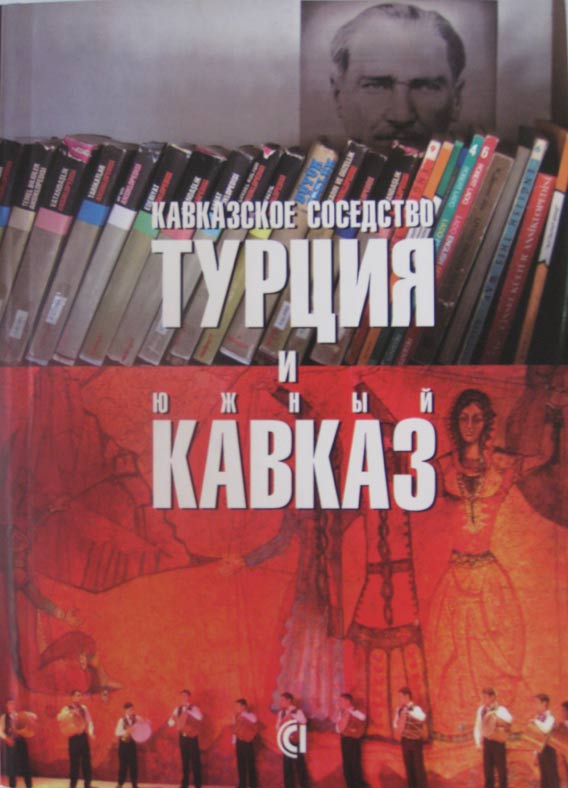
In 2008, the “Caucasus Institute” Foundation (hereinafter referred to as “Foundation”) published a Book in Yerevan titled “Caucasus Neighborhood: Turkey and The South Caucasus”, ISBN 978-99941-2-220-2, Russian version “Кавказское соседство: Турция и Южный Кавказ”, ISBN 978-99941-2-180-9] (hereinafter “Book”). Pursuant to the Civil Code of the Republic of Armenia, as well as the copyright notice in the Book, the Foundation holds the exclusive copyright to these publications. The editor of the Book is Aleksandr Iskandaryan – Director of “Caucasus Institute” Foundation – and the editorial board includes Nina Iskandaryan, Sergey Minasyan and Vitali Kisin. Their legal status with respect to the book is regulated by national legislation on intellectual property and international treaties ratified by the Republic of Armenia.

Continue Reading »

No responses yet

Oct 04 2009

Protocols and parliament: Debate on Armenia-Turkey deal reaches NA’s forum

Source. Armenianow.com, 02.10.2009
Gayane Mkrtchyan

President Serzh Sargsyan’s majority coalition in the National Assembly defended his continuing policy of rapprochement with Turkey as the issue came up for discussion at a special parliamentary hearing on Thursday.

Addressing an audience that also included non-parliamentary politicians, academicians and experts, Foreign Minister Edward Nalbandyan stressed that Armenia initiated normalization with Turkey based on the understanding that it will proceed without preconditions.

Continue Reading »

No responses yet

May 31 2009

Concise Structural Analysis of Turkish-Armenian Conflict

Read also in Armenian

Download the article

This article is a slightly updated version of the Armenian original
published in AZG daily on December 13, 2008.

Preamble
With the independence of Armenia in 1991 the Armenian Question returned to the international arena, but no longer as an issue of salvation of Western Armenians as it was known towards the end of 19th and the beginning of 20th centuries. There were no more Armenians in the western part of Armenia. They had been exterminated in the course of the genocide carried out from 1893 to 1923 in three main phases (1893-1896, 1909, 1915-1923). During the Soviet period several of the eastern regions of Armenia were depopulated of their Armenian inhabitants as well, including Nakhijevan and Northern Artsakh.
Continue Reading »

8 responses so far

May 29 2009

«Արարատ» առգիծ գրադարան

29 մայիսի 2009թ.

«Արարատ» ռազմավարագիտական կենտրոնն ազդարարում է
«Արարատ» առգիծ գրադարան
իր նոր ծրագրի մեկնարկը

«Արարատ» առգիծ գրադարանը Հայաստանում տակավին հազվագյուտ այն ռեսուրսներից է, որ
ներկայացնում է հիմնականում գիտական հրապարակումների` գրքերի, հոդվածների և թարգմանությունների էլեկտրոնային տարբերակներ, որոնք համապատասխանում են Կենտրոնի նպատակներին և ուսումնասիրությունների ու գործունեության ոլորտին:

Առգիծ գրադարանն արդեն ներառում է 21 գիրք` թվային ձևաչափով:
Ռեսուրսների հետագա համալրմանը զուգընթաց գրադարանը կհամակարգվի ըստ թեմաների:

Դուք կարող եք օգնել մեզ համալրելու առգիծ գրադարանը` ուղարկելով մեր Կենտրոնի գործունեությանն առնչվող հրապարակումների էլեկտրոնային օրինակներ:

Մենք սիրով կընդունենք դրանք` գրադարանում զետեղելու համար:

Հուսով ենք, որ «Արարատ» առգիծ գրադարանն օգտակար կլինի գիտնականների,
վերլուծաբանների, քաղաքագետների, լրագրողների, ուսանողների, ինչպես նաև ընթերցող լայն շրջանակների համար:

29 май 2009г.

Центр стратегических исследований «Арарат» объявляет о старте своей
новой программы
Онлайновая библиотека «Арарат»

Онлайновая библиотека «Арарат» одна из тех редких ресурсов в Армении, которая представляет в основном научные издания: книги, статьи, очерки и электронные версии переводов, которые соответствуют целям, областям исследований и деятельности Центра.

Онлайновая библиотека уже содержит 21 книгу в электронном формате. Параллельно пополнению ресурсами библиотека будет систематизирована по темам.

Вы можете помочь нам в пополнении онлайновой библиотеки, отправляя нам электронные версии публикаций, относящихся к деятельности Центра.
Мы с радостью примем их для размещения в онлайновой библиотеке.

Надеемся, что онлайновая библиотека «Арарат» будет полезна ученым, аналитикам, политологам, журналистам, студентам, также как и широким кругам общественности.

29 May 2009

The ARARAT Center for Strategic Research announces the launch of its new project
ARARAT Online Library

Still a rare resource in Armenia , the ARARAT Online library will provide electronic copies of mainly academic publications – books, research papers, articles, essays and translations that fit the Center’s realm of research, activities and objectives.

At this opening day, our online library stores 21 books in digital formats. With further accumulation of resources, the library will be structured thematically as well.

You can help us replenish our online supplies by sending us electronic copies of relevant publications that may meet the Center’s requirements for content and value. We shall gratefully accept and review them for posting.

We hope that the ARARAT Online Library will be a useful resource for various strata of Armenian public – the academics, analysts, policy makers, journalists, students and research fellows, as well as the general readers.

No responses yet

Apr 23 2009

Turkey, Armenia Agree on ‘Road Map’ for Normalizing Relations

Published by under Ararat in the Press

Bloomberg, By Michael Heath

April 23 (Bloomberg) — Turkey and Armenia agreed on a “road map” to normalize relations, the Foreign Ministry in Ankara said after reconciliation talks between the neighbors who share a bloody history and whose border is shut.

The negotiations, mediated by Switzerland, “have achieved tangible progress and mutual understanding,” the ministry said in a statement late yesterday. The announcement came as Armenia marks the anniversary of the alleged genocide in 1915 of 1.5 million of its people by Turks in ceremonies tomorrow.

Continue Reading »

14 responses so far

Apr 07 2009

Present-Day Problems of the Armenian-Turkish Conflict (Interviews)

Download the survey file in English

Intentions of the Armenian Government

Reaction of the Expert Community

Auxiliary Materials on Armenian-Turkish Conflict

Media coverage of Survey

ANSWERS

The Ararat Center for Strategic Research is running a series of interviews about the latest interstate developments between Armenia and Turkey. The list of participants includes representatives of the general public, as well as state officials, politicians, public figures and experts.

Anyone willing to participate in the survey can answer the questions at the following address: info@ararat-center.org. In your response, please indicate your name, age (optional), profession and place of residence.

Continue Reading »

Comments Off on Present-Day Problems of the Armenian-Turkish Conflict (Interviews)

Nov 22 2008

Armenia’s de facto borders

Published by under Other

ARMENIA’S DE FACTO BORDERS:
A COMMENT BY OUR CORRESPONDENT TO THE FOLLOWING ARTICLE

This is encouraging and promising, even though it’s happening nearly 15 years after the event! Showing the non-existent borders (at least since 1994!) of the NKAO (Nagorno Karabagh Autonomous Oblast) by Armenian H1TV, Meteo or any other TV, or the HAAF’s (Hayastan All Armenia Fund) calendars and maps or any other official or semi official Armenian Republic or Diaspora publication, in my view, must be considered outright treason. How else can one define deliberate propagation of false information so consistently regarding such a strategic and vitally important issue as ones own borders?!
Continue Reading »

2 responses so far

Next »